

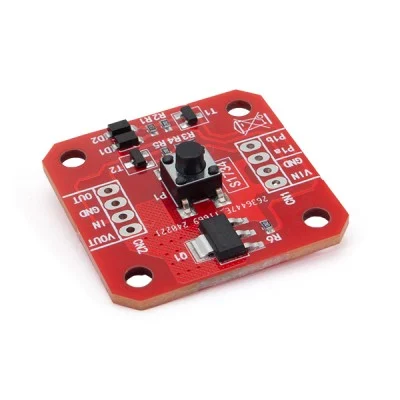
In an era where technology is increasingly opaque—hidden behind proprietary software, sealed hardware, and restrictive licensing—the philosophy of "openness" has become more than just a preference; it is a movement. At the vanguard of this movement stands Open-Electronics.org, an ambitious platform that has transformed from a digital repository into a thriving ecosystem for engineers, hobbyists, and tech enthusiasts. Backed by the industrial expertise of the Italian powerhouse Futura Group srl, Open-Electronics.org serves as a bridge between professional-grade engineering and the boundless creativity of the global maker community.
Main Facts: A Hub for Innovation
Open-Electronics.org is far more than a simple blog or a directory of tutorials. It is a comprehensive resource designed to catalyze the development, hacking, and experimentation of electronic systems. The platform functions as an intersection where raw technical documentation meets creative ingenuity.
By leveraging the infrastructure and technical pedigree of Futura Group srl—a world leader in the hobby electronics sector—the platform provides a unique value proposition. Unlike community-led forums that may lack technical rigor, or corporate portals that prioritize sales over learning, Open-Electronics.org maintains a hybrid identity. It operates as a living laboratory where users can access high-quality documentation, open-source designs, and professional support, all while contributing to a growing library of hardware projects.
The site is built upon three core pillars:
- Educational Accessibility: Lowering the barrier to entry for complex electronic design.
- Collaborative Hacking: Providing a space where users can iterate upon existing designs.
- Community Support: Direct access to a team of engineers and "geeks" who actively facilitate troubleshooting and project development.
Chronology: The Evolution of an Open Ecosystem
The story of Open-Electronics.org is inextricably linked to the history of the Futura Group. To understand the current landscape of the platform, one must examine the progression of its parent organization.
The Foundation (Pre-2010)
Futura Group srl began as a pioneer in the hobby electronics market in Italy. For decades, the company focused on providing components, educational kits, and specialized hardware to a European market that was hungry for technical empowerment. Recognizing that the future of electronics was shifting toward open-source architectures—pioneered by platforms like Arduino—the leadership at Futura sought a way to align their business model with the burgeoning maker revolution.
The Launch of Open-Electronics.org (2010–2012)
The platform was launched to serve as the digital "public square" for the company’s vision. It was intended to move away from the traditional, static catalog approach of the late 20th century. By 2012, the site had transitioned into a full-scale hub, integrating project sharing with a robust forum structure. This period marked the site’s transition from a company portal to a community-centric platform.
Professionalization and Expansion (2013–2019)
As the site grew, the "geek team"—a specialized group of engineers—began to take a more formal role in content curation. This period saw the introduction of high-end tutorials, deep-dives into Internet of Things (IoT) hardware, and the development of flagship products that were designed from the ground up to be open-source.
The Modern Era (2020–Present)
Today, Open-Electronics.org serves a global audience. It has successfully navigated the complexities of the COVID-19 pandemic, which saw a massive surge in interest for DIY electronics, medical hardware hacking, and remote learning tools. The site now hosts an expansive archive of projects, ranging from home automation and wearable technology to advanced robotics, cementing its status as a cornerstone of the modern open-source landscape.
Supporting Data: The Impact of Open Hardware
The shift toward open-source hardware (OSHW) is supported by significant industry trends. According to reports from the Open Source Hardware Association (OSHWA) and various industry analyses, the OSHW market has seen consistent growth of approximately 15–20% annually over the last five years.
User Demographics and Engagement
- Active Participants: Open-Electronics.org maintains a highly engaged user base that spans over 100 countries.
- Technical Density: Data shows that nearly 40% of the site’s traffic originates from professional engineers seeking specific hardware solutions or troubleshooting tips, while the remaining 60% consists of students, educators, and hobbyists.
- Project Proliferation: The site now hosts over 1,500 documented projects, with thousands of unique contributors providing feedback and iterative design suggestions.
The "Futura" Factor
The synergy with Futura Group provides a unique data advantage. Because the company produces the physical components often cited in the tutorials, there is a "closed-loop" efficiency. Users can find a project, understand the theory, and immediately source the necessary components—a process that significantly reduces the friction of project completion.
Official Responses: The Philosophy of the Engineers
When asked about the platform’s vision, the leadership at Futura Group and the engineering team at Open-Electronics.org are emphatic about their mission.
"Our goal is not merely to sell a kit," says a spokesperson for the platform. "It is to cultivate an environment where a student in Milan can collaborate with an engineer in Tokyo to solve a real-world problem. We believe that technology should be transparent. When you understand how a circuit works, you are no longer a consumer; you are a creator."
The "geek team" emphasizes the importance of human interaction in a digital age. "Many forums today are dominated by bots or hostile moderators. We take pride in the fact that our engineers are active participants. We don’t just host the site; we work in the comments, we fix the bugs, and we encourage the ‘hacking’ mentality. If you want to take a device apart and build it better, we are here to ensure you have the blueprints to do so."
This commitment to the community is evidenced by their strict adherence to open-source licenses, ensuring that any project shared on the site remains in the public domain or is governed by licenses that permit modification and redistribution.
Implications: The Future of Electronics
The existence and growth of platforms like Open-Electronics.org have profound implications for the global technology sector.
Democratization of R&D
By making high-level engineering knowledge accessible, the platform is effectively democratizing Research and Development. Small startups can leverage the open-source designs hosted on the site to create prototypes without the massive upfront costs associated with proprietary R&D. This lowers the barrier to entry for innovation and fosters competition in the hardware space.
Education and Workforce Readiness
The educational impact cannot be overstated. As universities struggle to keep their curricula aligned with the rapid pace of technological change, students are increasingly turning to platforms like Open-Electronics.org to gain practical, "in-the-trenches" experience. This creates a workforce that is more adaptable, skilled, and familiar with the modular nature of modern systems.
Ethical Technology and Sustainability
The "right to repair" movement is a natural beneficiary of the open-electronics ethos. By providing the documentation necessary to maintain and modify hardware, Open-Electronics.org encourages a culture of repair rather than replacement. This has direct environmental benefits, as it reduces electronic waste and extends the lifecycle of complex devices.
A New Model for Corporate Engagement
Finally, the partnership between Futura Group and Open-Electronics.org offers a blueprint for other corporations. It proves that a company can remain profitable while championing open-source values. By fostering a community rather than merely protecting an intellectual property moat, Futura Group has built brand loyalty that transcends traditional marketing. They have positioned themselves not as a vendor, but as an essential partner in the user’s creative journey.
Conclusion: The Path Ahead
As we look to the future, the boundaries between physical hardware and digital intelligence will continue to blur. With the rise of AI-integrated electronics and more complex IoT architectures, the need for transparent, open-source resources will only increase.
Open-Electronics.org is poised to remain at the center of this transition. By continuing to bridge the gap between industrial capability and grassroots creativity, the platform ensures that the future of electronics remains in the hands of the people who use it. Whether you are a seasoned engineer looking for a reference design or a curious beginner picking up a soldering iron for the first time, the mission of the platform remains clear: to support development, encourage hacking, and above all, to keep the spirit of electronic discovery alive.
The legacy of the Futura Group is not just in the components they sell, but in the community they have empowered. As Open-Electronics.org continues to evolve, it stands as a testament to the fact that when we share our knowledge, our circuits, and our ideas, we do not just build better devices—we build a better, more innovative world.
